Smart BSK
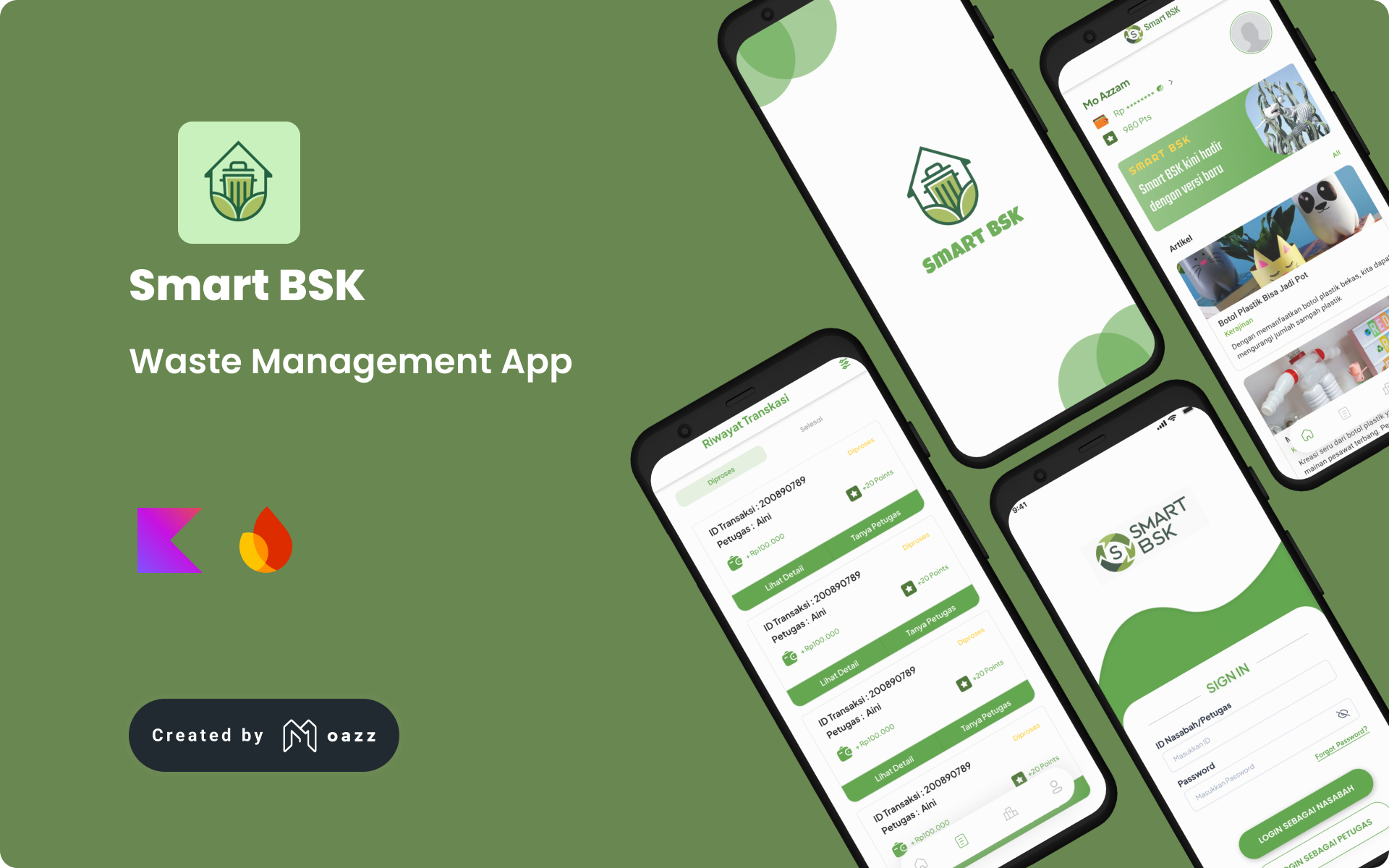
About the Project
Smart BSK is a digital waste bank management system developed to improve the efficiency, transparency, and accessibility of community-based recycling operations. Waste banks are widely used in Indonesia as a mechanism where residents deposit recyclable waste and receive monetary value recorded similarly to a banking system. These initiatives play an important role in reducing landfill waste and encouraging circular economy practices at the community level. According to the World Bank, global waste generation is projected to reach 3.4 billion tons annually by 2050, highlighting the need for effective local waste management systems. [Source: World Bank, 2018]
https://datatopics.worldbank.org/what-a-waste/
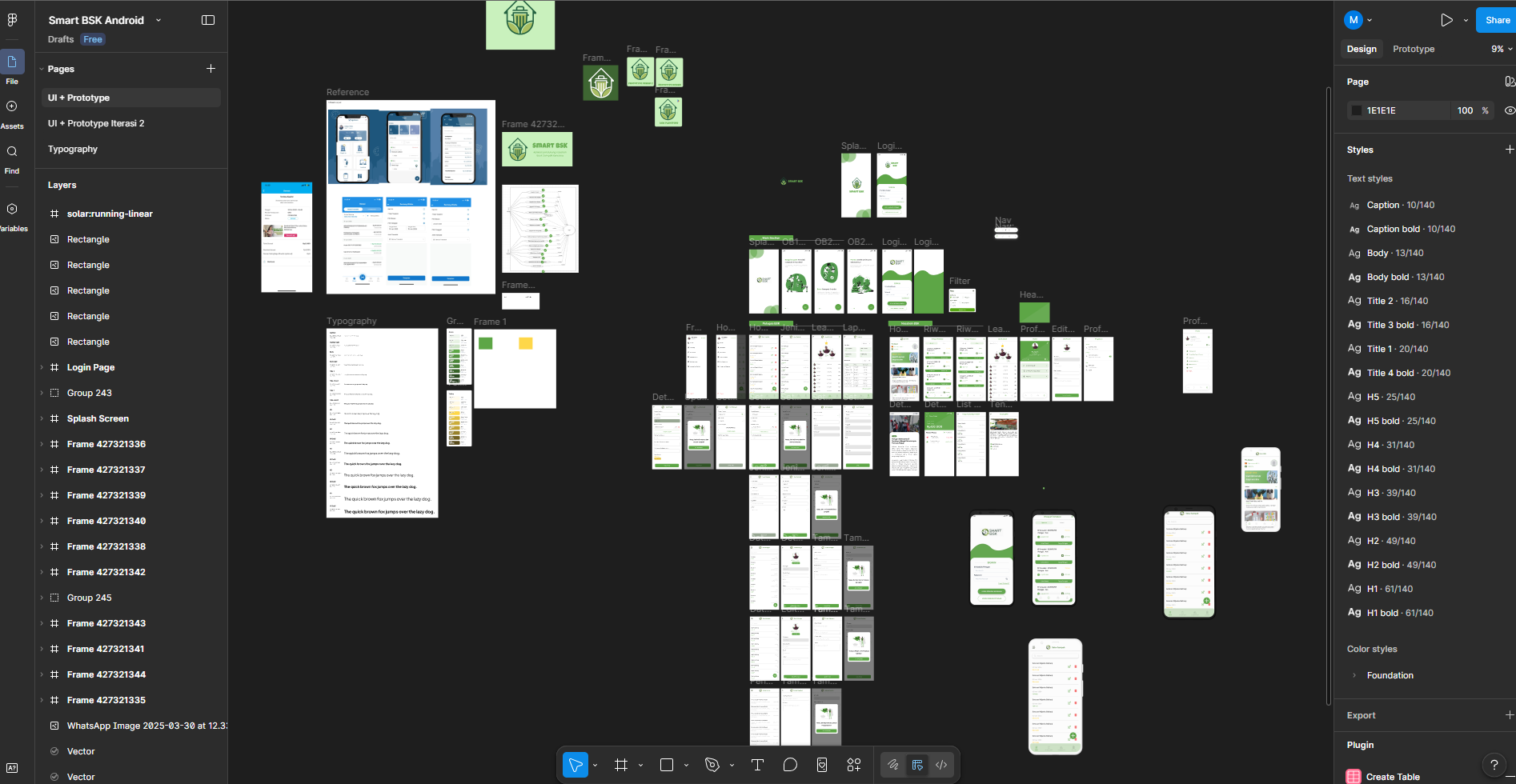
In this project, the primary responsibility was designing and developing the mobile-based application and system architecture that supports digital waste bank operations. The application was built to allow users to manage their waste deposits, track balances, and view transaction histories directly through a smartphone interface. The system replaces traditional manual bookkeeping processes used in many waste banks, which are often prone to errors and lack transparency. Through the mobile application, users can monitor their waste deposit records and balances in real time, improving trust and engagement between waste bank managers and community members.
From a technical perspective, the system was implemented using Kotlin Jetpack Compose with the MVVM (Model–View–ViewModel) architectural pattern and Modularization to ensure maintainability and separation of concerns within the application. The application communicates with backend services through Firebase Firestore and uses cloud-based data storage to manage user accounts, transaction records, and waste deposit data. This architecture enables scalable data management while maintaining responsive performance on the mobile platform.
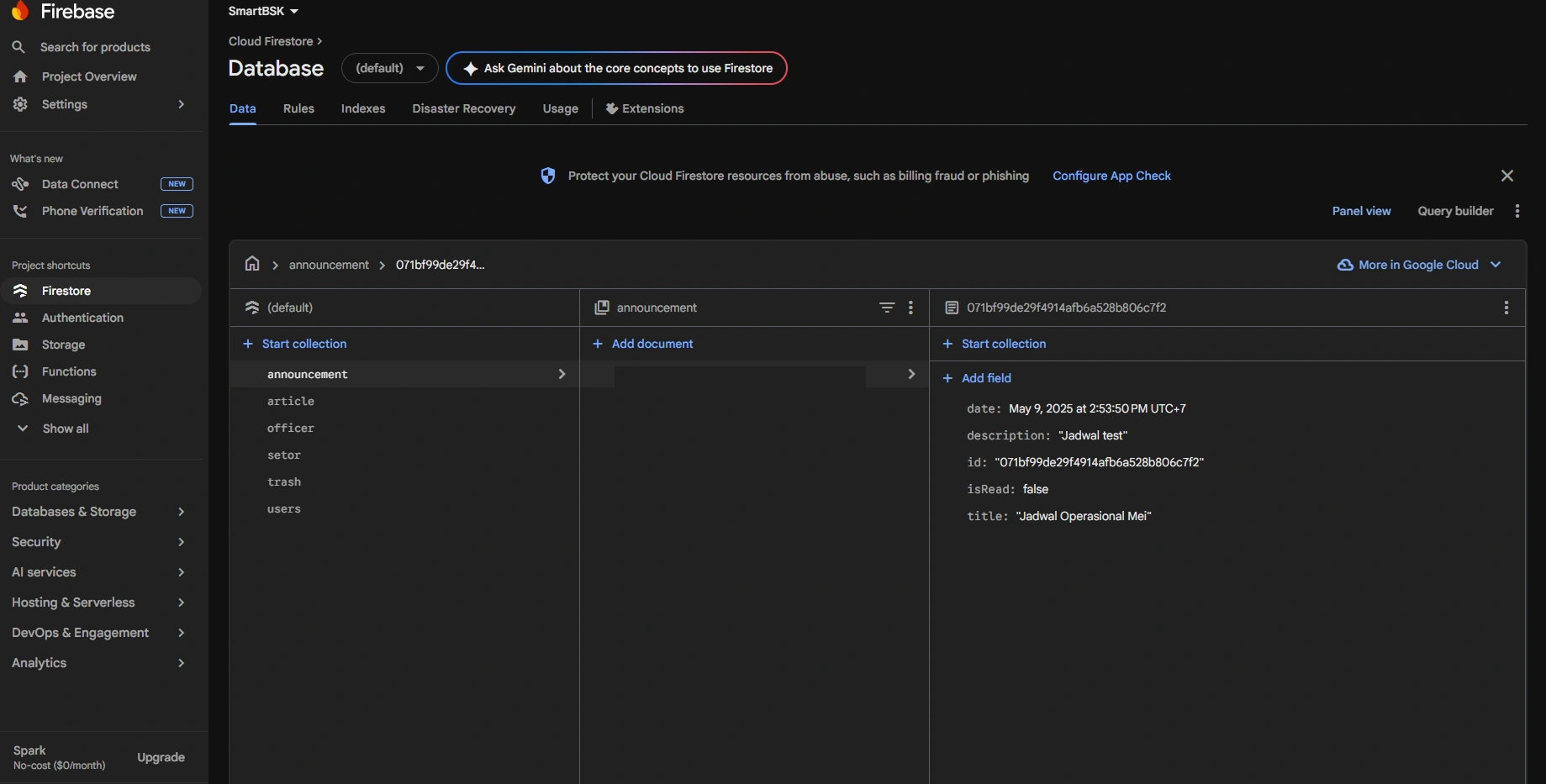
The resulting system provides a digital platform for recording waste transactions, monitoring balances, and managing customer data within the waste bank ecosystem. By digitizing operational processes, the application reduces administrative workload, improves data accuracy, and allows participants to access their waste bank information anytime through a mobile device. Digital waste management platforms have been shown to improve traceability and operational efficiency in community recycling initiatives.