Trashcare App
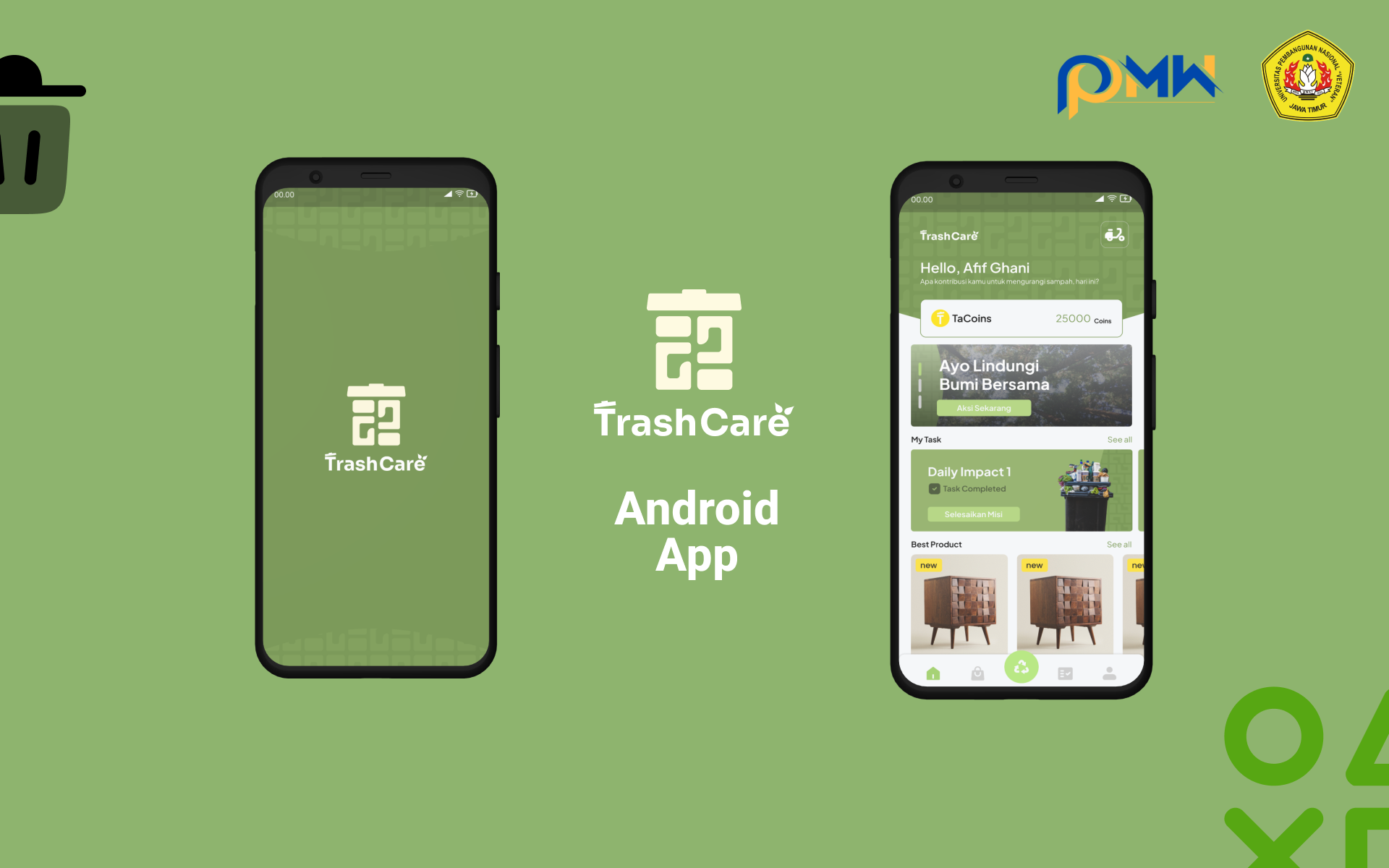
About the Project
The vision for TrashCare began with a simple but powerful idea: transforming waste from a burden into a valuable resource for craftsmen and consumers alike. What started as a brainstorming session for the P2MW (Student Entrepreneurship Development Program) quickly evolved into a rigorous development project. Even before we received the official funding announcement, my teammate and I decided to hit the ground running. We believed that to build a successful circular economy platform, we needed more than just a good proposal, we needed a robust, scalable technical foundation.
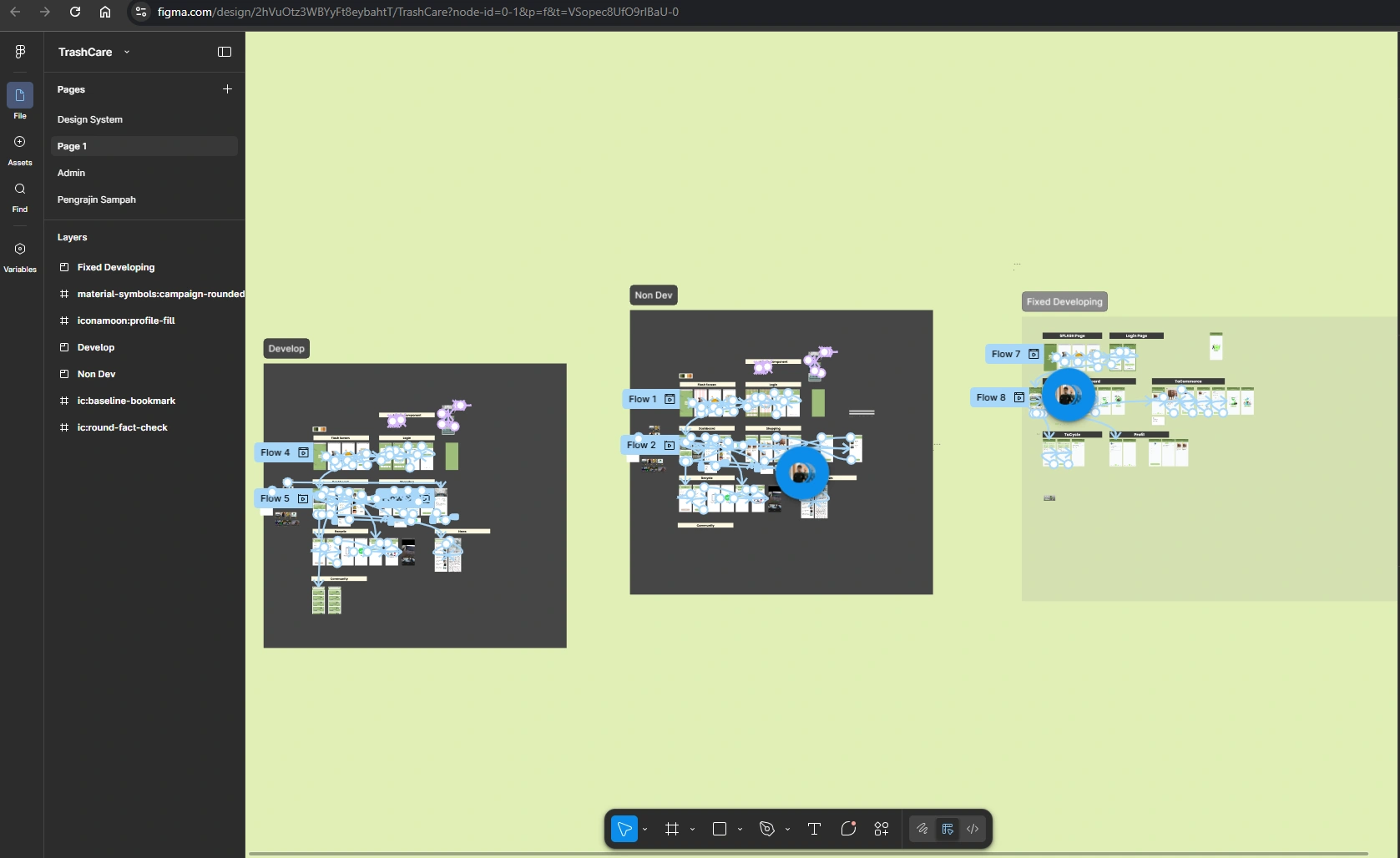
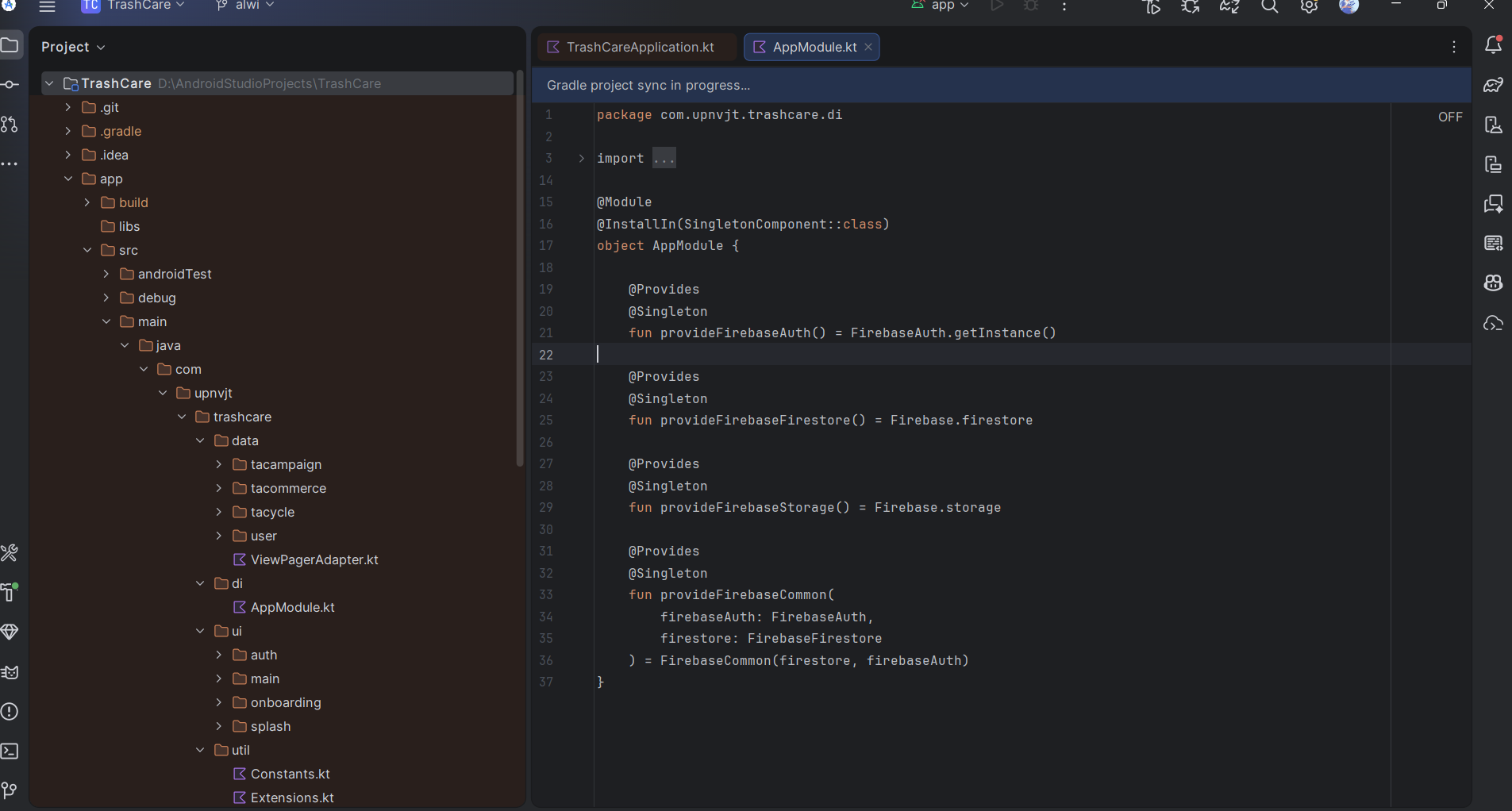
As the lead for the application's architecture, I took charge of the project setup using Kotlin. To ensure the app was maintainable and ready for future growth, I implemented the MVVM (Model-View-ViewModel) architecture. This allowed for a clean separation of concerns between the business logic and the UI. To further streamline the development process and handle complex dependencies, I integrated Dagger Hilt for Dependency Injection. One of the most intensive phases of this project was the UI development; I manually sliced over 30+ screens from Figma into Android XML. By strictly adhering to Material Design principles, I ensured that the high-fidelity designs were translated into a fluid, intuitive, and responsive user experience.
Professional collaboration was at the heart of our progress. We utilized GitHub as our primary version control system, adopting a disciplined branching strategy to manage our code. We worked in dedicated feature branches and used Pull Requests for every major update, which allowed us to conduct informal code reviews and maintain a high standard of code quality. This organized workflow was essential in preventing conflicts as I worked on the frontend architecture while my teammate focused on the "brain" of the application. This level of synchronization ensured that as the UI grew, the backend remained perfectly aligned.
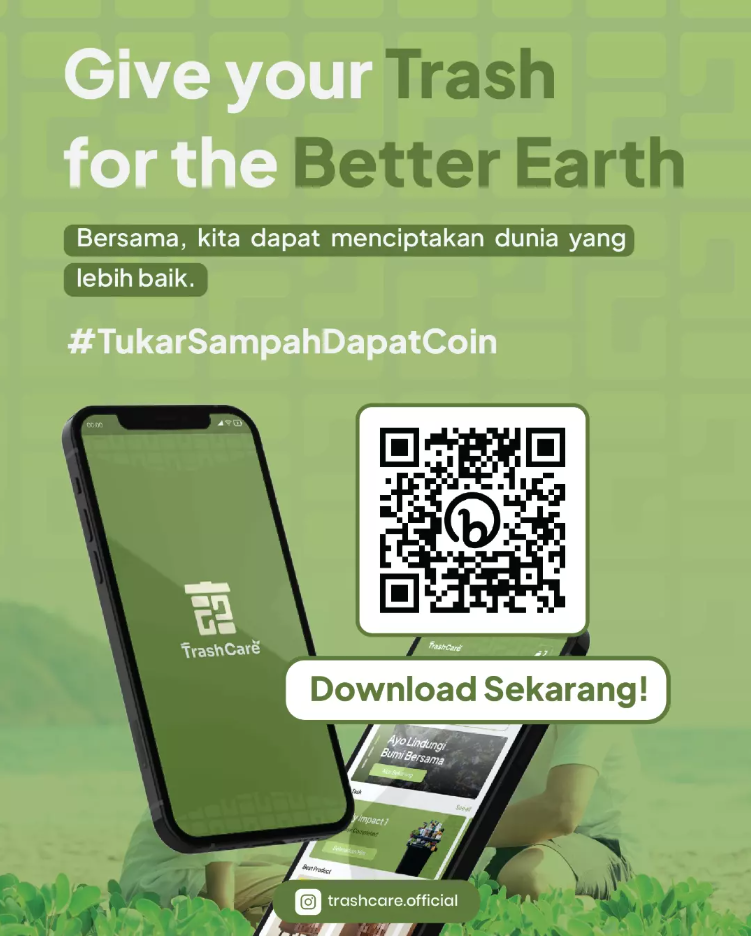
While I handled the frontend and architecture, my teammate was responsible for designing the database schema and managing the Firebase integration. From authentication to real-time data storage, the integration with Firebase allowed TrashCare to handle waste distribution data dynamically. Once our team was officially awarded the P2MW funding, we accelerated our efforts to finalize the Minimum Viable Product (MVP). We didn't stop at coding; we took the app into the field for user testing and began establishing partnerships with local waste collectors and processing centers. TrashCare now stands as a testament to how technical discipline and structured collaboration can turn a digital solution into a real-world environmental impact.